

-
Question 11: HEARING ABOUT THE EXAMPLES OF KARMA, IT SEEMS LIKE THE LAW OF KARMA OPERATES OVER A VERY LONG TIME. A HUMAN LIFESPAN OF A HUNDRED YEARS SEEMS INSUFFICIENT. HOW CAN THIS BE REASONABLY EXPLAINED?
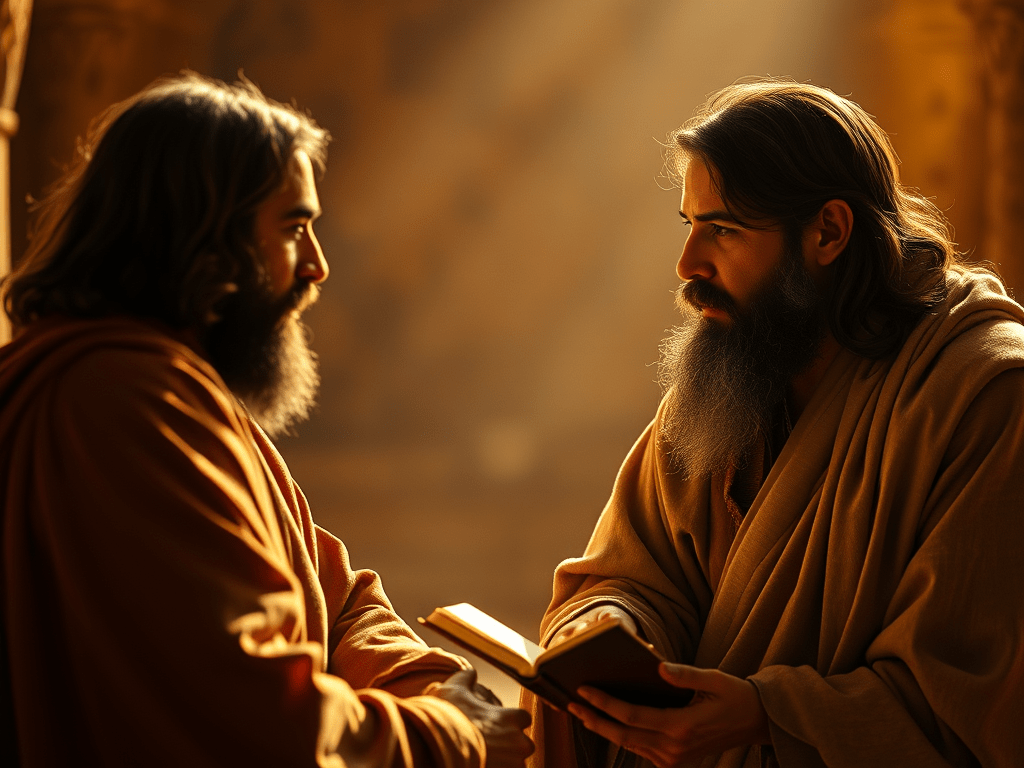
Answer: There was a time when Jesus spoke to the preceptor Nicodemus about the issue of reincarnation, which surprised Nicodemus, prompting him to ask how a person could be born again from their mother’s womb after dying. Jesus confirmed the existence of reincarnation, explaining that what He saw and knew… Read more ⇢
-
Question 10: THE MORE I HEAR ABOUT THE EXAMPLES OF KARMA, THE MORE I FIND IT FASCINATING AND LIMITLESS. ANYONE INTERESTED CAN EXPLORE AND REFLECT FURTHER. MAY I ASK, WHAT KARMA CAUSES A PERSON TO BE DISABLED?
Answer: A single outcome may stem from various causes, not necessarily just one. For instance, someone with a leg disability might have damaged public roads in a previous life, fought in wars and broken the legs of enemies, or hunted animals and broken their legs to prevent them from escaping.… Read more ⇢

-
Question 09: THE MORE EXAMPLES I HEAR, THE MORE I UNDERSTAND THE LAW OF KARMA. COULD YOU PLEASE PROVIDE MORE EXAMPLES?
Answer: For instance, if we often think of ourselves as superior and look down on others, we will gradually find ourselves falling into a lower status, with poor character and social standing, and no one will like us. Conversely, if we think humbly of ourselves, consider ourselves ordinary or lowly,… Read more ⇢

-
Question 08: CAN YOU GIVE MORE EXAMPLES?
Answer: For instance, if we see a damaged road and spend our time, effort, and money to repair it, making it safer and more convenient for people to travel, we gain positive karma. Thanks to this good karma, our future endeavours will go smoothly and easily, we will experience good… Read more ⇢

-
Question 07: CAN YOU GIVE SOME EXAMPLES OF THE FAIRNESS OF THE LAW OF KARMA TO ILLUSTRATE IT MORE CLEARLY?
Answer: For example, if we give money to a malicious person, enabling them to commit more evil deeds, we incur negative karma. As a result, we may later face financial difficulties or experience misfortune. Conversely, if we give money to a poor person in need who is not malicious, we… Read more ⇢

-
Question 06: WHAT IS THIS FAIRNESS CALLED?
Answer: Among humans, this fairness is called Justice. In the Heaven realm, it is called Divine Law. Throughout the universe, it is called the Truth. In Buddhism, it is known as the Law of Cause and Effect, or the Law of Karma. Human justice is not absolute because it can… Read more ⇢

-
Question 05: DOES THAT MEAN THE BUDDHA ONLY HELPS THOSE WHO ARE MORAL, YET NOT EVERYONE UNCONDITIONALLY?
Answer: If divine assistance were unconditional, no one would bother to cultivate morality or live a virtuous life, since even malicious people would receive assistance just by praying. Everything must be fair; the universe holds absolute fairness, and deities must be even more just than humans. Those who live generously,… Read more ⇢

-
Question 04: WHEN WE FACE DIFFICULTIES IN LIFE, CAN WE PRAY TO THE BUDDHA FOR HELP TO OVERCOME THEM?
Answer: In Buddhism, there is a large system of Divine Beings, including Buddhas, Bodhisattvas, and deities, who are responsible for watching over and helping humans. Those who cultivate moral virtues, help others, show compassion, respect the venerable, and revere the Divine Beings will receive assistance and protection through prayers in… Read more ⇢

-
Question 03: DOES BUDDHISM HAVE PRAYERS?
Answer: Buddhism does have prayers and chanting, similar to other religions. The purpose of praying or chanting is to recall the teachings of the Buddha, to make promises to the Buddha about the good things we want to do and to ask for the Buddha’s guidance in cultivating our inner… Read more ⇢

ABOUT THE AUTHOR JANNA
JANNA is the pen name of a certain monk who does not wish to use his real name. He is likely mature enough to understand that fame, wealth, and glory are as fleeting as morning mist.
In Pali, “JANNA” means purity, so it’s unclear which country he’s from. However, he seems to have studied the Nikaya scriptures.
Although he writes about Buddhism, he appears to desire unity with other religions to contribute to the cause of world peace. He attempts to demonstrate how differences can complement one another…