-
Question 56: MANY MEDITATION PRACTICES EMPHASIZE FOCUSING ON THE BREATH, ENCOURAGING PRACTITIONERS TO CONCENTRATE ON THEIR BREATHING. WHY IS IT NOW RECOMMENDED TO BREATHE SLOWLY, LITTLE, AND GENTLY?
Answer: The breath reflects the intensity of mental activity. When the mind is active, the breath becomes fast, strong, and frequent; when the mind is calm, the breath becomes slow, little, and gentle. By observing the breath, we can gauge the level of mental activity. Conversely, if we regulate our… Read more ⇢

-
Question 55: CAN YOU EXPLAIN THE BENEFITS OF FOCUSING ATTENTION ON THE BOTTOM OF ABDOMEN DURING MEDITATION?
Answer: According to the Buddha’s teachings, practitioners should be aware of the entire body, but most of us tend to focus only on the chest and upper abdomen, rather than the bottom of the abdomen, which includes two important acupoints: the Dan Tian and the Hui Yin (you can refer… Read more ⇢
-
Question 54: WHY IS IT IMPORTANT TO THOROUGHLY CONTEMPLATE THE IMPERMANENCE OF THE BODY?
Answer: When we focus our attention on the body and become aware of it entirely, we gain increased mindfulness, which helps prevent distractions from wandering thoughts astray. However, as we direct our awareness to the body, an attachment to the body naturally arises, and we start to cherish the body… Read more ⇢
-
Question 53: WHY IS IT IMPORTANT TO BE AWARE OF THE WHOLE BODY AND THE SENSATION OF THE WHOLE BODY DURING MEDITATION?
Answer: Being aware of the chest and abdomen during meditation offers several benefits: The skin covers a large area of the body, so when we focus our attention on the body, the entire surface of the skin is activated, creating a strong sense of mindfulness for the mind. In contrast,… Read more ⇢
-
Question 52: DURING THE STAGE OF RIGHT ENDEAVOR, WHEN THERE ARE NO RESULTS FROM MEDITATION YET, HOW SHOULD A PRACTITIONER HANDLE IT?
Answer: A practitioner typically needs to try various meditation methods rather than sticking to one method to achieve success. When we discuss the Four Foundations of Mindfulness later on, we will see that practitioners must gradually adjust their practice according to their increasingly deep levels of mindfulness. When the mind… Read more ⇢
-
Question 51: RIGHT ENDEAVOUR MEANS PRACTICING MEDITATION WITH THE CORRECT METHOD WITHOUT ACHIEVING RESULTS. HOW CAN THIS CONCEPT BE EXPLAINED FURTHER?
Answer: Even with the correct method, it is not easy for practitioners to achieve the desired results. This is like striking a rock with a hammer; we may hit it a hundred times without making any difference, but the 101st strike might suddenly break the rock. Practicing incorrectly can lead… Read more ⇢
-
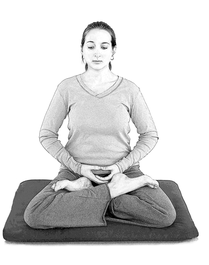
Question 50: WHAT ARE THE BASIC PRINCIPLES OF A STANDARD MEDITATION METHOD FOR EVERYONE?
Answer: The fundamental principles of a meditation method that can be applied to all individuals include the following: Encouraging the accumulation of merit: To enter deep ecstasy in meditation, one must have great merit. Because achieving a tranquil mind in meditation is akin to reaching the state of the heavenly… Read more ⇢
-
Question 49: HOW CAN WE KNOW WHICH MEDITATION METHOD IS CORRECT, GIVEN THAT THERE ARE SO MANY DIFFERENT TEACHINGS AROUND THE WORLD?
Answer: Meditation methods vary because of the different experiences of those who teach meditation to calm the mind. In reality, the psychological makeup, brain structure, and past karma of each person differ, so each individual’s ability to concentrate and enter a meditative state will also vary. Meditation teachers (*) often… Read more ⇢
-
Question 48: RIGHT LIVELIHOOD REFERS TO EARNING A LIVING IN AN ETHICAL WAY. HOW SHOULD WE UNDERSTAND IT MORE THOROUGHLY?
Answer: Everyone needs to have a profession or occupation to support themselves and their family, pay taxes, and contribute to society. Young people depend on their families for support, while the elderly may rely on pensions or assistance from their children. People of working age generally must find an occupation… Read more ⇢

ABOUT THE AUTHOR JANNA
JANNA is the pen name of a certain monk who does not wish to use his real name. He is likely mature enough to understand that fame, wealth, and glory are as fleeting as morning mist.
In Pali, “JANNA” means purity, so it’s unclear which country he’s from. However, he seems to have studied the Nikaya scriptures.
Although he writes about Buddhism, he appears to desire unity with other religions to contribute to the cause of world peace. He attempts to demonstrate how differences can complement one another…