
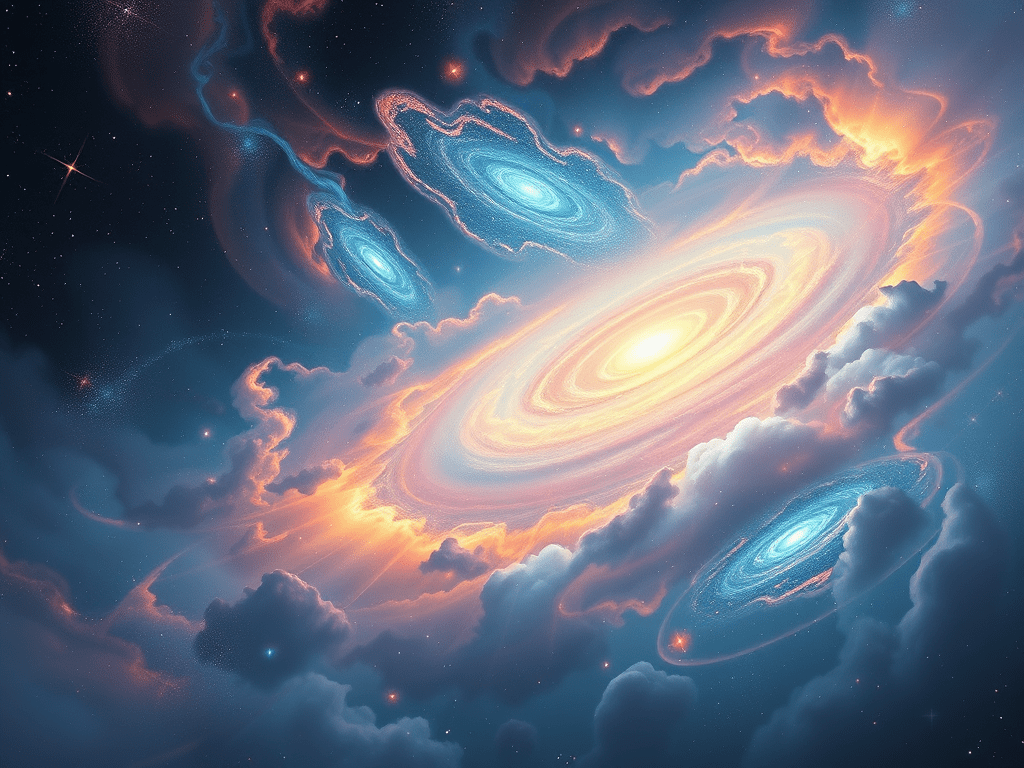
Answer: Nirvana is an absolute state where there is no more suffering, no more ignorance, no more attachment to the notion of self, no more rebirth, no more binding emotions, and no more disturbances of the mind. In other words, Nirvana is a state of absolute clarity, absolute wisdom, and absolute compassion. It involves a deep understanding of the Law of Karma, the past bad karma of sentient beings, and the cycle of rebirth for all.
Nirvana has no specific location because it is not bound by space or time, yet it encompasses all space and time within it.
Of course, Nirvana is not the same as the Heaven realm because it has no physical and visible form, but the Heaven realm is also not separate from Nirvana.
Nirvana is neither a point nor a realm, it is neither large nor small; all space is within it. Nirvana is neither a moment nor a long period of time, so it is neither fast nor slow, neither before nor after; neither past nor future, all time is within it.
Nirvana is the absolute tranquility that transcends any thought and language; only those who have attained it can truly know it. The more one tries to describe Nirvana, the more mistaken one becomes, as it only leads to futile imagination.
The Enlightened Ones focus on teaching us the path to Nirvana, never attempting to describe it. Nirvana is extremely abstract, so those with lesser wisdom cannot perceive it and therefore will not aspire to attain it. Only those with great wisdom, who have revered and served the enlightened Saints in many past lives, can sense the sublime nature of Nirvana and aspire to achieve Enlightenment.




Leave a reply to Collection Of 100 Buddhism Questions Answered For Beginners – BUDDHISM FOR BEGINNERS Cancel reply